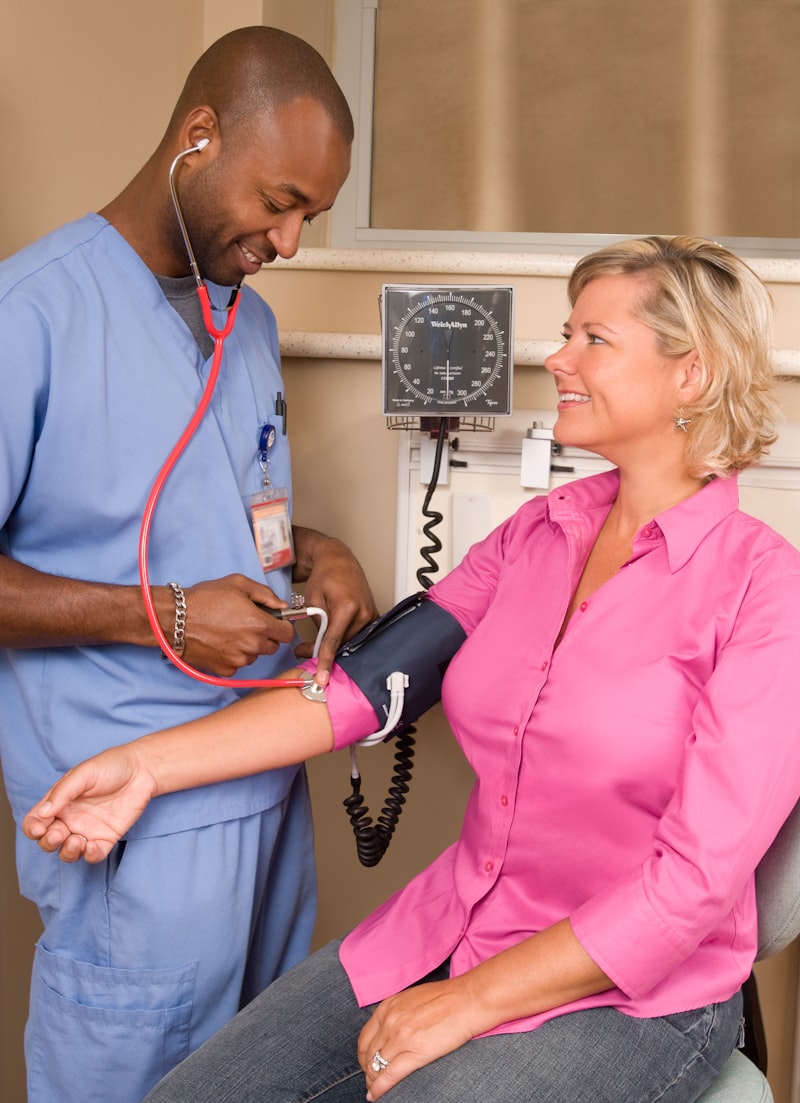
Emotional Regulation Support
Evidence-based support for managing acute distress, anxiety, and emotional overwhelm — with keyworkers trained in DBT-informed skills, grounding techniques, and co-regulation strategies.

Structured, trauma-informed SIL environments designed for managing mental health in disability care — NDIS mental health and psychosocial support across Melbourne, Sydney, and Brisbane, with a Registered Nurse included at no cost.
Who we support
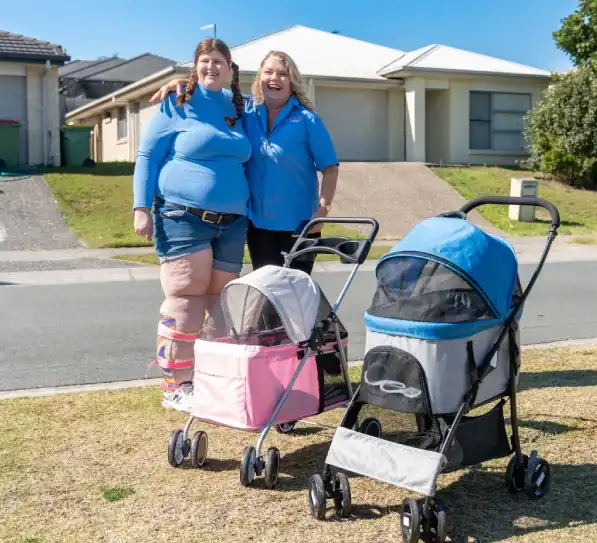
Psychosocial disability is not just a diagnosis. It's the way a mental health condition shows up in everyday life — disrupting routine, relationships, self-care, and the ability to live independently. Under the NDIS, this functional impact qualifies for support, and we're specialists in delivering it well.
At MMT Care, our psychosocial SIL environments are built around the participant's recovery journey — not a clinical checklist. Structured routines, consistent keyworkers, trauma-informed practice, and a Registered Nurse embedded in the team from day one.
Make a ReferralRecovery isn't linear. These six domains form the foundation of every MMT Care psychosocial SIL placement — built together, reviewed continuously, and adjusted as the participant's needs evolve.
Evidence-based support for managing acute distress, anxiety, and emotional overwhelm — with keyworkers trained in DBT-informed skills, grounding techniques, and co-regulation strategies.
Every aspect of the home environment — from staff communication to daily structure — is designed with trauma sensitivity at the core. Safety, predictability, and consistent relationships are non-negotiable.
Documented early warning sign protocols, responsive de-escalation procedures, and RN-developed mental health crisis plans that reduce hospitalisation and build the participant's own self-awareness over time.
Rebuilding social confidence and interpersonal skills at the participant's pace — through supported community outings, peer connection opportunities, and community participation aligned to NDIS goals.
Structured, predictable daily routines that reduce cognitive load and create the conditions for lasting independence — including meal preparation, personal hygiene, budgeting, and household management.
Goals are set with the participant, not for them. We develop measurable, participant-led recovery milestones — work, study, relationships, independence — and review progress regularly with coordinators, families, and treating clinicians.
The NDIS funds the functional impact of a mental health condition, not the condition itself. A participant doesn't need a specific diagnosis — they need to demonstrate that their mental health significantly and permanently limits their ability to participate in daily life. This distinction matters when making a referral or supporting a participant through a plan review.
Psychosocial disability shows up differently in every participant. For some it's the inability to maintain a daily routine. For others it's managing medication without support, sustaining relationships, or feeling safe enough to leave the house. Our intake process is designed to capture the full picture — not just the clinical diagnosis, but how life actually looks for this participant on an ordinary day.
Recovery-oriented care at MMT Care means the participant's own definition of a good life is the compass. We don't impose timelines. We build the conditions — stability, safety, routine, connection — that make progress possible, then work alongside the participant as they set and pursue their own goals.
Read the NDIS guide to mental health & psychosocial disabilitySubmit the referral with the participant's NDIS plan details, a summary of their mental health history, current living situation, and any existing assessments or crisis plans. You don't need everything ready to start.
Our clinical team — including the RN — conducts a detailed intake to map the participant's functional profile: daily living capacity, medication needs, crisis history, social supports, and recovery goals.
We match the participant to the most suitable SIL environment and build the keyworker team. The RN develops the mental health care and medication plan before the participant's first day.
The participant transitions in, the support team follows the care plan, and a formal recovery review is conducted within the first two weeks — then regularly, with written progress updates to coordinators and families.
Navigating psychosocial disability under the NDIS takes knowledge. These guides from the NDIS and leading mental health organisations will help.
The NDIS's own explainer on how psychosocial disability is defined, what supports are available, and how a participant's mental health condition can qualify them for NDIS funding.
Australia's leading national mental health charity supporting people living with complex mental health conditions — including resources for families, carers, support workers, and coordinators.
A Victorian-based organisation dedicated to supporting families, carers, and supporters of people living with mental illness — including resources on navigating SIL and the NDIS together.
Australia's National Youth Mental Health Foundation — supporting young people aged 12–25 with early intervention, mental health, work, study, and substance use issues. Useful for younger NDIS participants.
Australia's most recognised mental health organisation — a first point of call for anyone supporting a participant experiencing depression, anxiety, or suicidal crisis. Includes a 24/7 support line.
The peak body for Australia's mental health sector — providing policy guidance, research, and advocacy resources that inform how psychosocial disability supports are designed and delivered under the NDIS.
Common questions from support coordinators, families, and mental health teams about MMT Care's psychosocial disability SIL services.
Psychosocial disability refers to disability arising from a mental health condition. Under the NDIS, a person can access funding if their mental health condition significantly and permanently impacts their daily functioning — including the ability to manage daily tasks, maintain relationships, sustain employment, or live independently.
Psychosocial disability is distinct from mental illness itself. It describes the functional impact of that illness on a person's life. Not every person with a mental health diagnosis has a psychosocial disability — the NDIS funds the functional impact, not the diagnosis.
Mental illness is a health condition — a diagnosis such as schizophrenia, bipolar disorder, major depressive disorder, PTSD, or borderline personality disorder. Psychosocial disability is the functional impact of that illness on a person's ability to participate in daily life.
A person needs to demonstrate that their mental health condition causes significant and permanent functional limitations — not just that they have a diagnosis. This distinction is important when supporting a participant through an NDIS access request or plan review. The NDIS explains this in more detail here.
Yes. Every psychosocial SIL placement at MMT Care includes a Registered Nurse at no additional cost. The RN develops the mental health care plan, liaises with treating psychiatrists and community mental health teams, oversees medication management, and trains support workers in de-escalation and mental health-informed care.
There is no separate invoice for this. It is built into the SIL arrangement as standard — because every participant living with psychosocial disability deserves clinical oversight, not just daily living assistance.
Recovery-oriented care means support is built around the participant's own definition of a good life — not a clinical endpoint set by others. In practice at MMT Care, this means structured daily routines that reduce overwhelm, keyworker relationships built on trust and consistency, support to pursue personal goals (work, study, community connection), and ongoing review of what is and isn't working.
We don't have a fixed recovery timeline. We build the conditions — stability, safety, consistency — that make progress possible, and walk alongside the participant as they work toward their own goals at their own pace.
Yes — dual diagnosis (a co-occurring mental health condition and physical or intellectual disability) is a core specialisation. Many of our psychosocial referrals involve participants where a mental health condition intersects with cognitive, neurological, or physical complexity.
Our SIL environments and support teams are structured to hold both dimensions, and the RN's clinical oversight spans the full picture — not just one aspect of the participant's needs.
MMT Care provides psychosocial disability SIL across Victoria (Melbourne), Queensland (Brisbane), and New South Wales (Sydney). Our multi-state presence means coordinators have real SIL options for participants with complex psychosocial needs, even when local placements are unavailable or unsuitable.
Submit a referral via our referral form or contact our clinical team directly. We need the participant's NDIS plan details, a summary of their mental health history and current functional picture, any existing psychiatric reports or crisis plans, and the current living situation.
You don't need everything ready to begin. Submit what you have and our team will follow up to gather anything outstanding. The process takes the time it needs — good psychosocial support is a considered process, not something to be rushed.
A typical day is built around consistency and the participant's recovery goals. This usually includes a supported morning routine, meal preparation and nutrition, structured community activities or social opportunities aligned to NDIS goals, and a predictable wind-down in the evening. Routines are developed collaboratively with the participant and adjusted as they gain confidence and independence.
Support workers are trained in trauma-informed, recovery-oriented practice. The keyworker relationship is prioritised — consistent faces, consistent communication, and consistent follow-through matter enormously for participants living with psychosocial disability.
Managing mental health in disability care requires more than a support worker who is kind and attentive — it needs a structured clinical layer embedded in the home environment. At MMT Care, this is provided through our embedded Registered Nurse, who monitors mental state changes, oversees medication schedules, liaises with treating psychiatrists and GPs, and guides support workers on how to respond when a participant's mental health presentation shifts.
Beyond the clinical oversight, our homes operate on consistent routines, low-stimulus environments where appropriate, and trauma-informed communication practices throughout the team. Where participants have a behaviour support plan, our RN and support workers work alongside the behaviour support practitioner to ensure both the clinical and behavioural elements are aligned. The aim is an environment that reduces triggers, builds safety, and creates genuine conditions for recovery.
Yes. MMT Care provides NDIS mental health and psychosocial SIL support across Melbourne (VIC), Sydney (NSW), and Brisbane (QLD). Our Melbourne homes are staffed by workers experienced in psychosocial disability and supervised by a Registered Nurse — the same clinical standard as our homes in other states.
If you're a support coordinator or family member looking for SIL mental health support in Melbourne, contact our team to discuss current vacancies and whether our environment is a good fit for your client or loved one's specific needs.
Ready to refer a psychosocial participant?
Our clinical team will review the referral, match the participant to the right recovery environment, and walk you through every step — with a Registered Nurse included from day one.